




An Update on Pastoral Plan 2026
Across the Diocese of Gaylord, the vision of Pastoral Plan 2026 continues to move from aspiration to action. Rooted in the pillars of Love, Communion and Mission, the plan is taking shape in visible ways—through new initiatives, renewed commitments and pastoral transitions that invite parishioners into a deeper participation in the life of the Church.
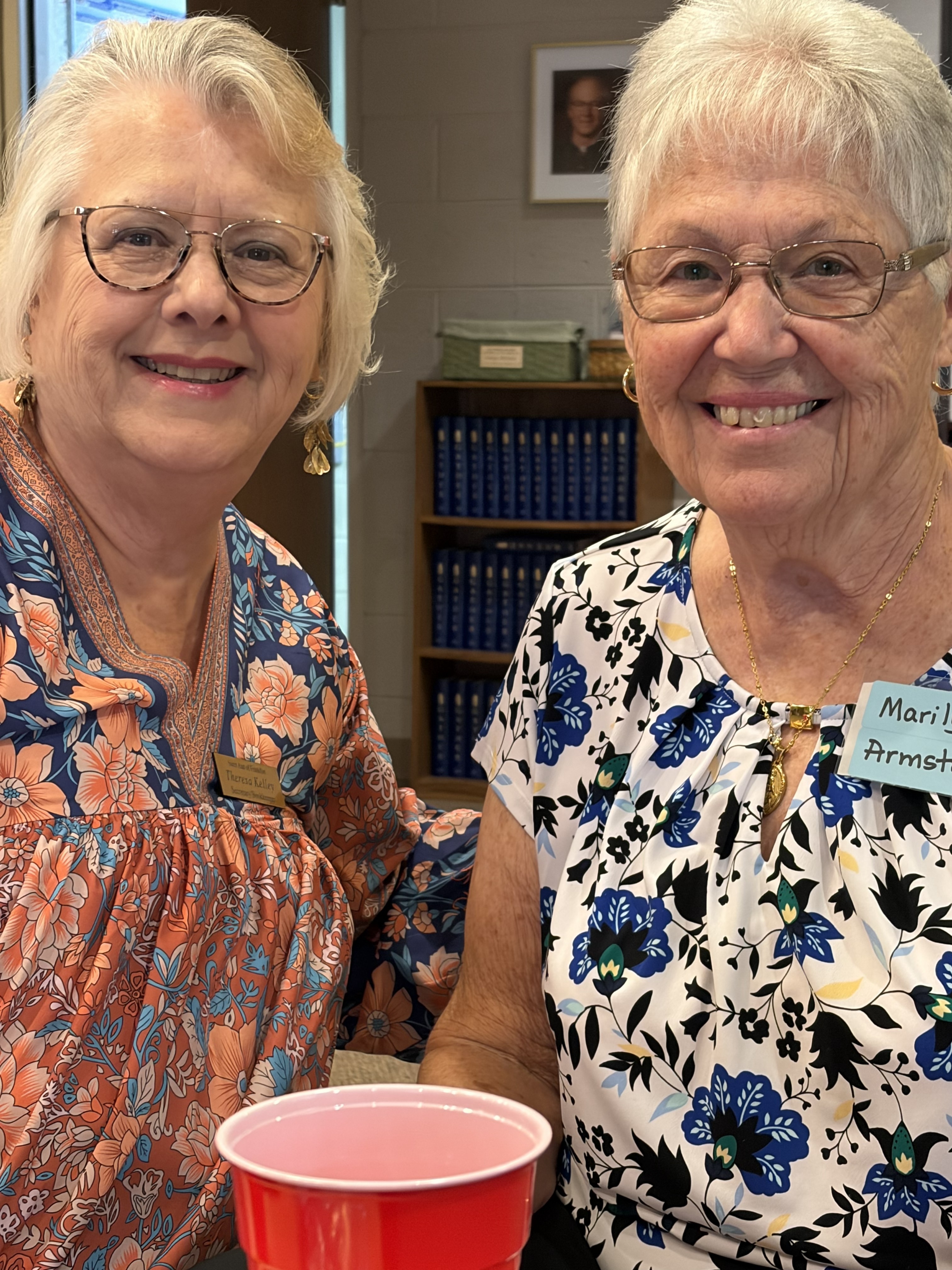
and Marilyn Armstrong prepare to welcome guests
to their Meet, Greet and Eat event, organized to
support parishioners from a limited-use church.
While some efforts are still in early development, there are clear and encouraging signs of progress. This synodal journey—marked by listening, discernment and shared responsibility—is beginning to bear fruit.
Listening, Building, Beginning
At the heart of the pastoral plan is a simple but essential commitment: to listen—to the Holy Spirit and to one another.
Bishop Walsh’s listening sessions across the diocese laid a strong foundation for what is now unfolding. What is emerging is shaped not only by leadership, but by the real-life experiences and hopes of
the faithful.
From those conversations, three key priorities have taken shape: lay education, vocations and youth ministry. Each reflects a shared desire to strengthen the Church by forming disciples who are equipped, engaged and responsive to respond to God’s call.
Forming Minds and Hearts: Lay Education
One of the new developments is the formation of the JMJ Holy Family Center for Catholic Studies, designed to deepen adult faith formation across the diocese.
The Center’s first committee meeting marked an important beginning. Members reflected on the former Center for Catholic Studies and its impact, then began discerning what a renewed vision could look like today in light of what was heard during the listening sessions.
One idea has already emerged: a hybrid model of formation. Some opportunities would take place in person in Gaylord, while others would be offered online. This approach recognizes the value of gathering together, the geographic realities of the 21 counties in our diocese and the benefit of new technologies for learning.
Committee members are now researching possible platforms and programs. While details are still taking shape, the direction is clear: to form lay leaders who can confidently live, articulate and share the faith in their homes and parishes, offering vital support to their priests in the mission of the Church. Enrichments and formal certifications will be offered.
Listening to the Next Generation: Youth Ministry
Another key priority is the renewal of youth ministry, beginning with a commitment to listen.
Rather than starting with programs, the diocese has launched the Bishop’s Youth Advisory Council (BYAC), giving young people a voice in shaping what comes next.
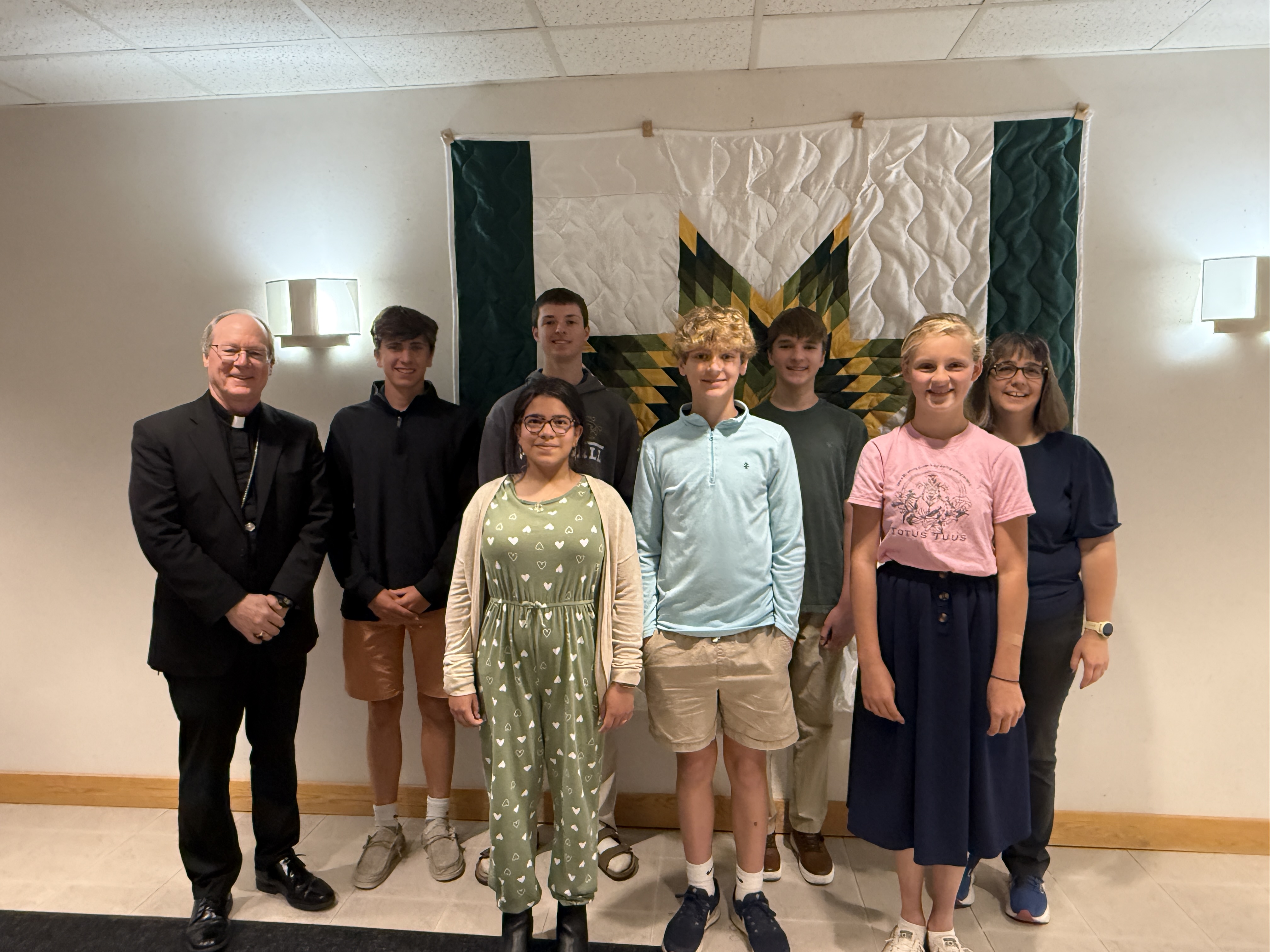
Formation Director Ami Peterson at a Bishop's Youth Advisory Council
meeting to discuss the vision of youth in our diocese.
Pastors, directors of parish life and youth ministry leaders were invited to nominate youth from across the diocese. The response was strong: 18 middle and high school students were nominated.
From these nominations, nine youth—four middle school and five high school students representing five vicariates—have been selected to serve on the council.
The BYAC met for the first time in June, with a second gathering planned for December. Members will serve as advisors to Bishop Jeffrey Walsh, offering an essential perspective on what it means to live the faith as a young person today.
The advisory council members will:
- Share their perspective on the realities young Catholics face
- Offer their vision for youth across the diocese
- Help shape future initiatives and events
By beginning with listening, the diocese is ensuring that future youth ministry efforts will be rooted in the real-life experiences and needs of young people, fostering a Church where they feel seen, heard and called.
Answering the Call: Vocations
Encouraging signs are emerging in vocations, a vital expression of the Church’s mission.
Through the Called by Name campaign and continued outreach, 364 young men have been identified as faithful priestly prospects or already discerning the priesthood. Each is invited into further discernment through events, fellowship and prayer.
This growing list of men is a sign that the seeds being planted across the diocese are taking root.
And fruit is already visible. This fall, four new seminarians will begin formation – an increase from two seminarians last year and one the year before. It is a hopeful trajectory shaped by both intentional outreach and the power of prayer.
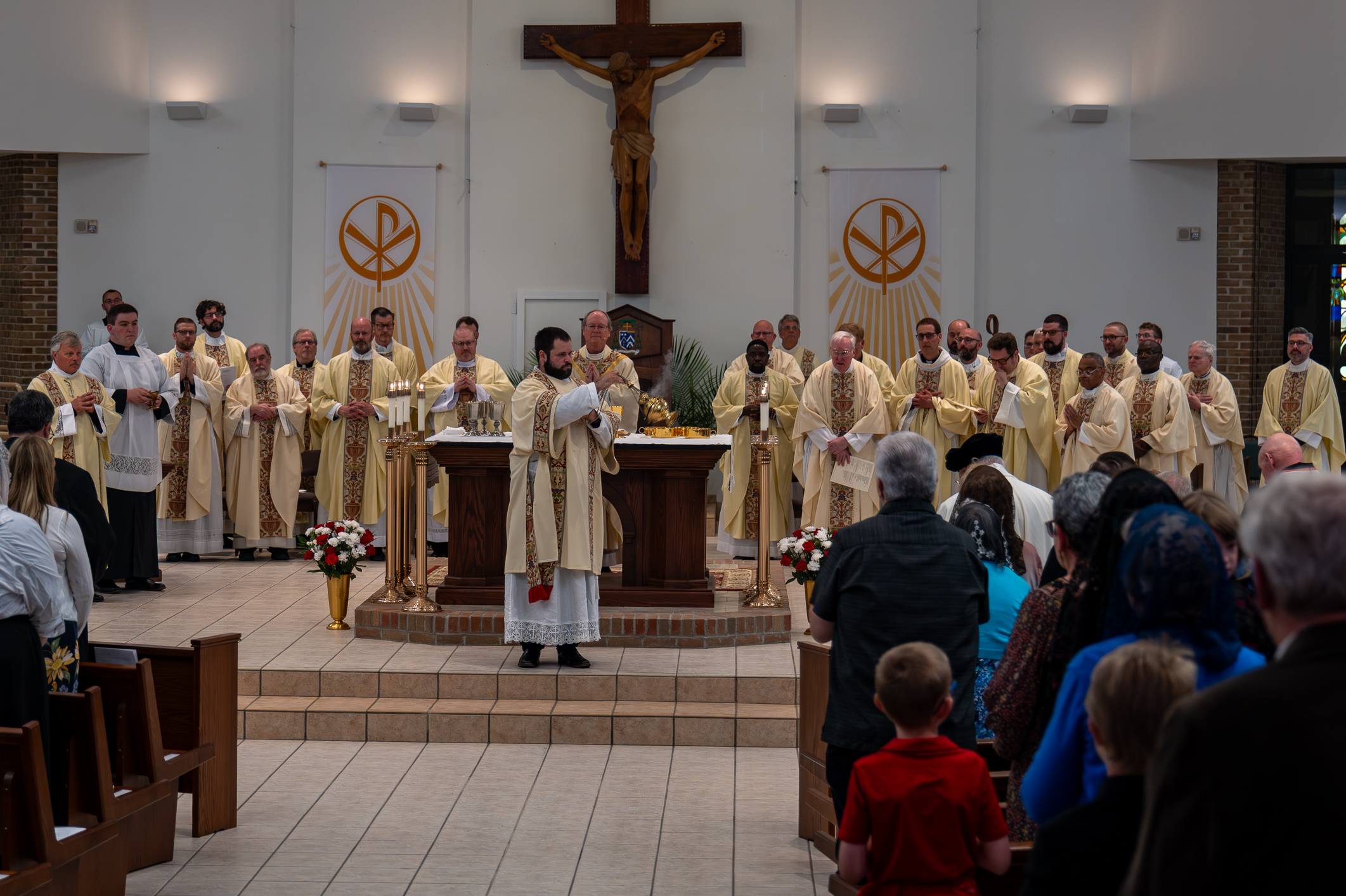
Prayer has been central to this effort. At Bishop Walsh’s request, parishes throughout the diocese are praying for vocations at Mass each week, with many also praying daily.
The diocese is also celebrating an important milestone: Seminarian Jake Belanger was ordained a transitional deacon in June, bringing him one step closer to the priesthood. God willing, he will be ordained in Spring 2027, becoming the first priest ordained for the Diocese of Gaylord in five years.
In addition, encouraging signs are also emerging in women’s vocations across the diocese. More than 70 young women recently attended vocation information events held at parishes throughout the region, reflecting a growing openness to religious life and consecrated vocations. These gatherings provide an opportunity for prayer, encounter and deeper listening to the Lord’s call.
This summer marks a particularly significant moment: Cheryl Davis will be consecrated to the life of virginity on July 16. As a consecrated virgin living in the world, she will offer her life to Christ while remaining in her ordinary surroundings under the guidance of the diocesan bishop. As a bride of Christ without a prescribed ministry or spirituality, her vocation will be lived through prayer, works of mercy and penance, and apostolic service according to her gifts.
The Diocese of Gaylord is also blessed to have a second woman currently in formation for this vocation—another quiet but powerful sign of the Holy Spirit at work.
The diocese is also preparing to launch a new permanent diaconate cohort, with 12 positions available. Inquiries are already being received—yet another indication of the Holy Spirit stirring hearts and calling forth servants for the Church.
Walking with One Another: Parish Transitions
For many, the most visible and personally felt aspect of Pastoral Plan 2026 is the set of parish transitions taking effect July 1, including the designation of 20 limited-use churches.
These changes are not easy. For some, they bring real grief.
Throughout this transition, the diocesan staff has worked closely with parish leaders to provide guidance, resources and pastoral support to help parish communities navigate these changes with care and dignity.
While these churches remain part of the diocesan family, they will no longer host regular Sunday Masses. Parishioners are now being asked to join neighboring parishes.
In this moment, the call to Love, Communion and Mission becomes very real.
Across the diocese, receiving parishes respond with heartfelt love, walking with those who are grieving and working to ensure that no one feels alone or forgotten.
In several communities, listening sessions provided an opportunity for parishioners to share their experiences, ask questions and begin processing the transition.
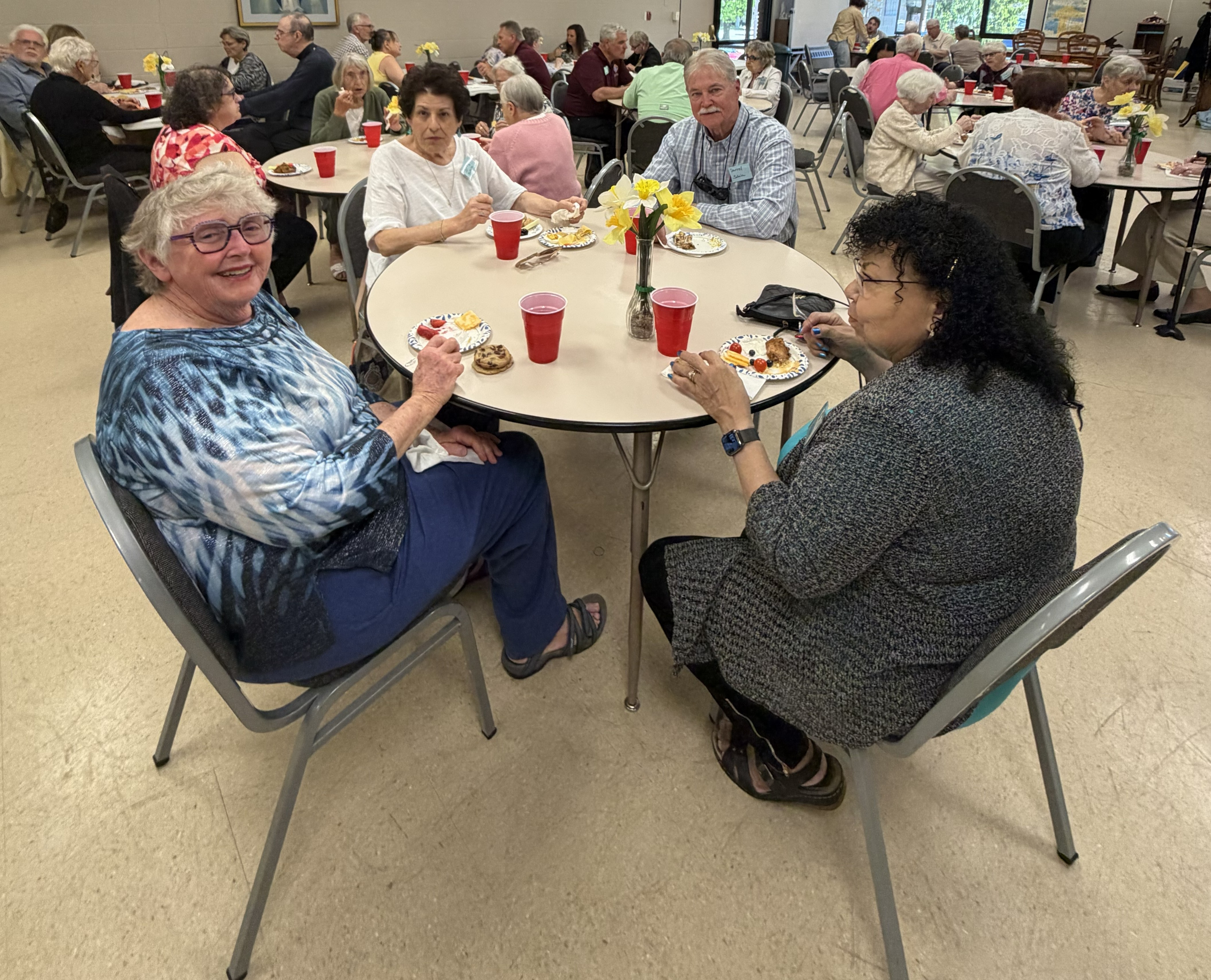
Parishes are also focusing on personal connection. After Mass, during gatherings like coffee and donuts, parishioners had occasions to meet one another in a welcoming setting. Many times, a lay leader shared information about liturgical ministries and parish groups, offering a gentle invitation to participate when ready.
These moments were not about immediate involvement.
They are about building relationships.
In one parish, the pastoral council sent handwritten notes to each affected family, expressing sorrow, support and prayer. Every member signed the card, showing an act of personal care that was deeply appreciated.
Parishes are also working to ensure that no one is overlooked. Efforts are underway to identify those who may not be regularly present, including the homebound and those facing transportation challenges.
In some places, parishioners meet individuals at the door, walk in with them and sit together. Others coordinate rides so that distance does not become a barrier.
As communities marked this transition, many gathered for a final Sunday Mass, sometimes hosting a parish picnic after, creating a special time to give thanks, to grieve and to remember that the faith they share continues beyond anyone building.
A Church Moving Forward Together
Pastoral Plan 2026 is not a single moment. It is an unfolding journey.
Renewal takes time. It requires patience, trust and a willingness to walk together.
Already, there are signs of hope:
- Lay leaders stepping forward to grow in faith and serve
- Young people offering their voices and vision
- Men and women courageously discerning a call to the priesthood or consecrated life
- Marriages being supported and strengthened
- Parishes opening their doors and their hearts to one another
In all of this, the Holy Spirit is at work.
As the Diocese of Gaylord continues this journey, may we remain rooted in Christ, attentive to one another and confident that the Lord, who has begun this good work, will bring it to completion.